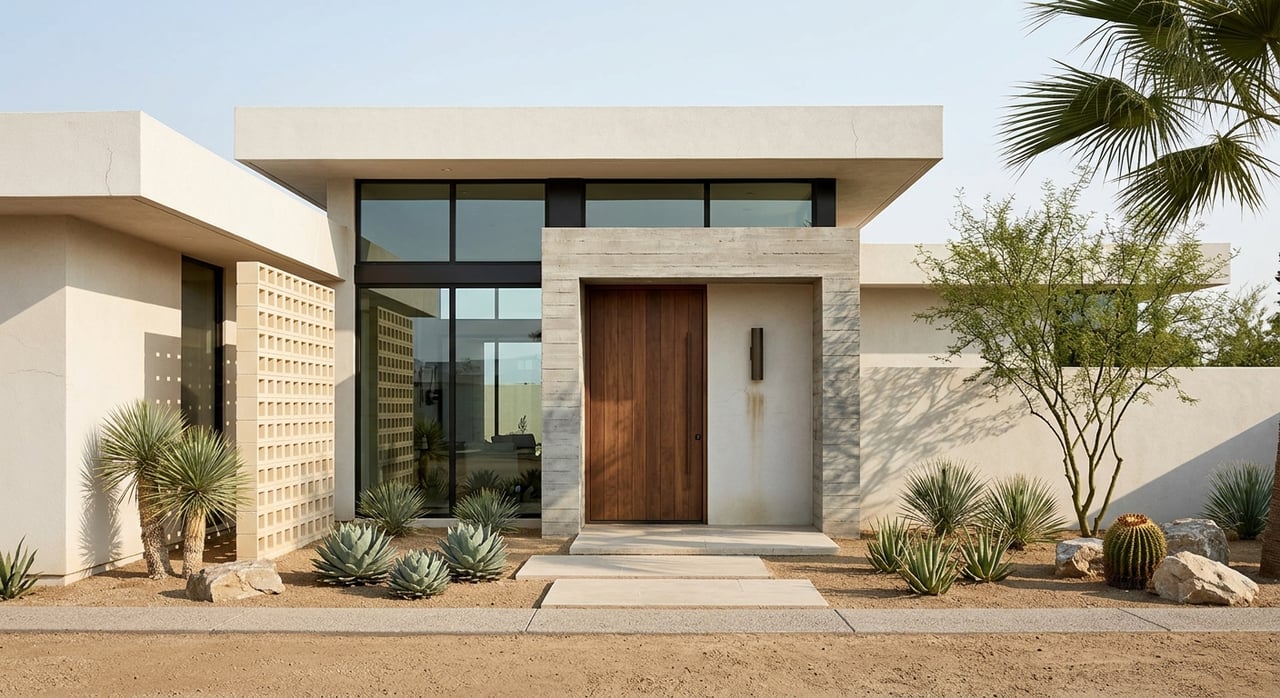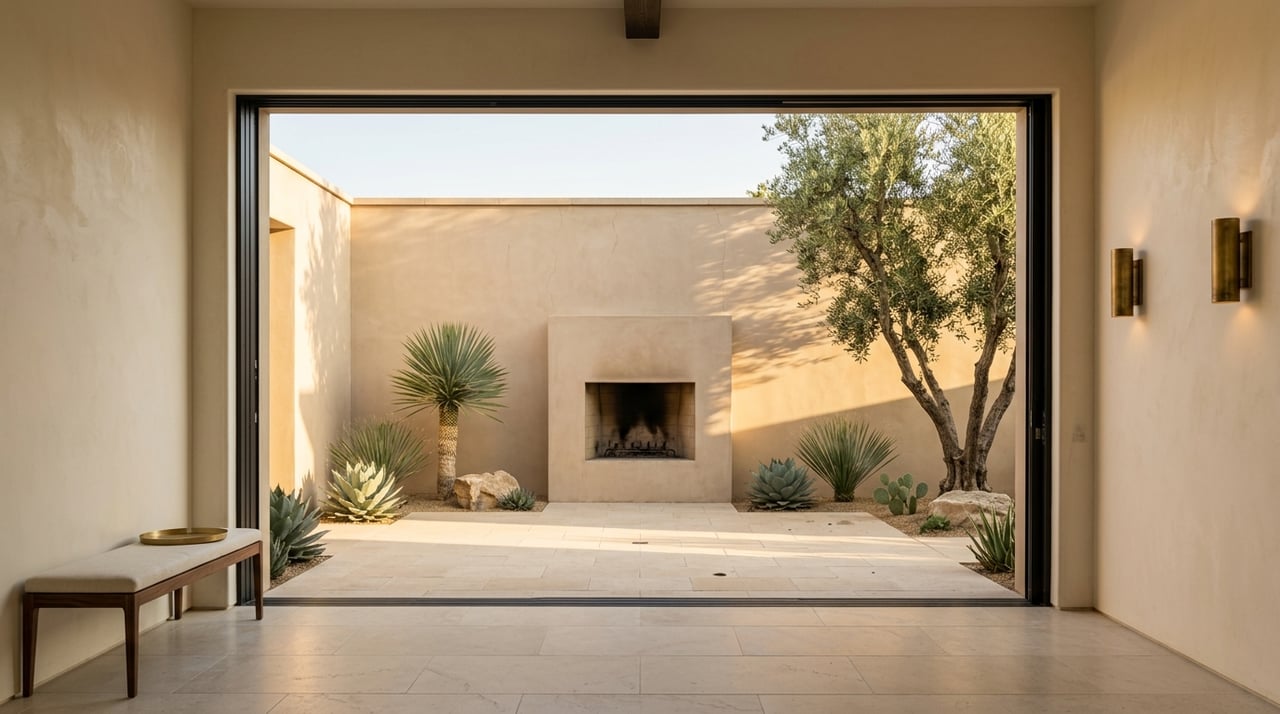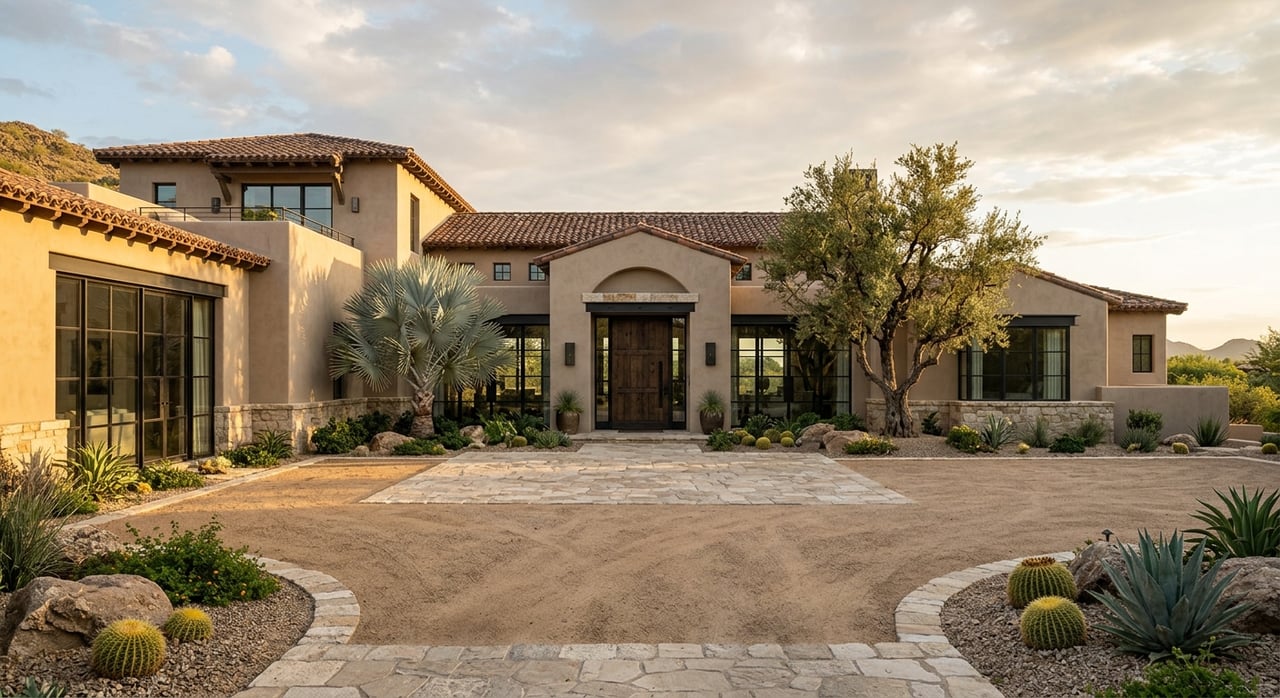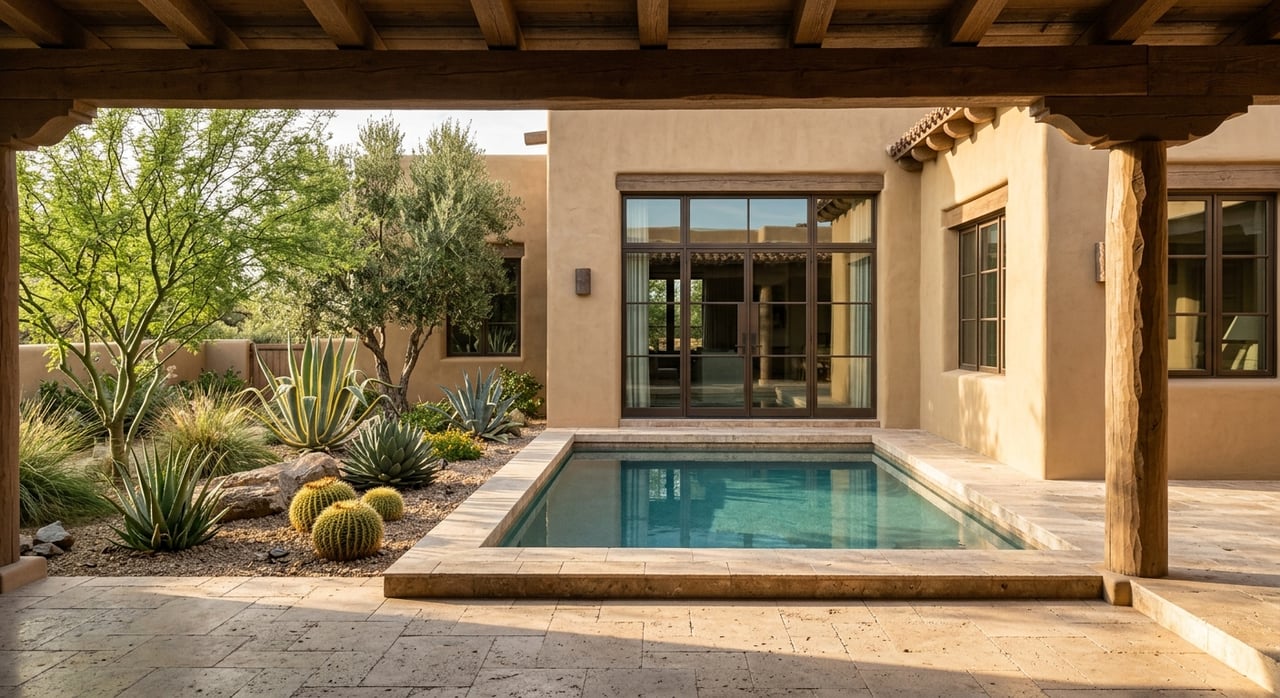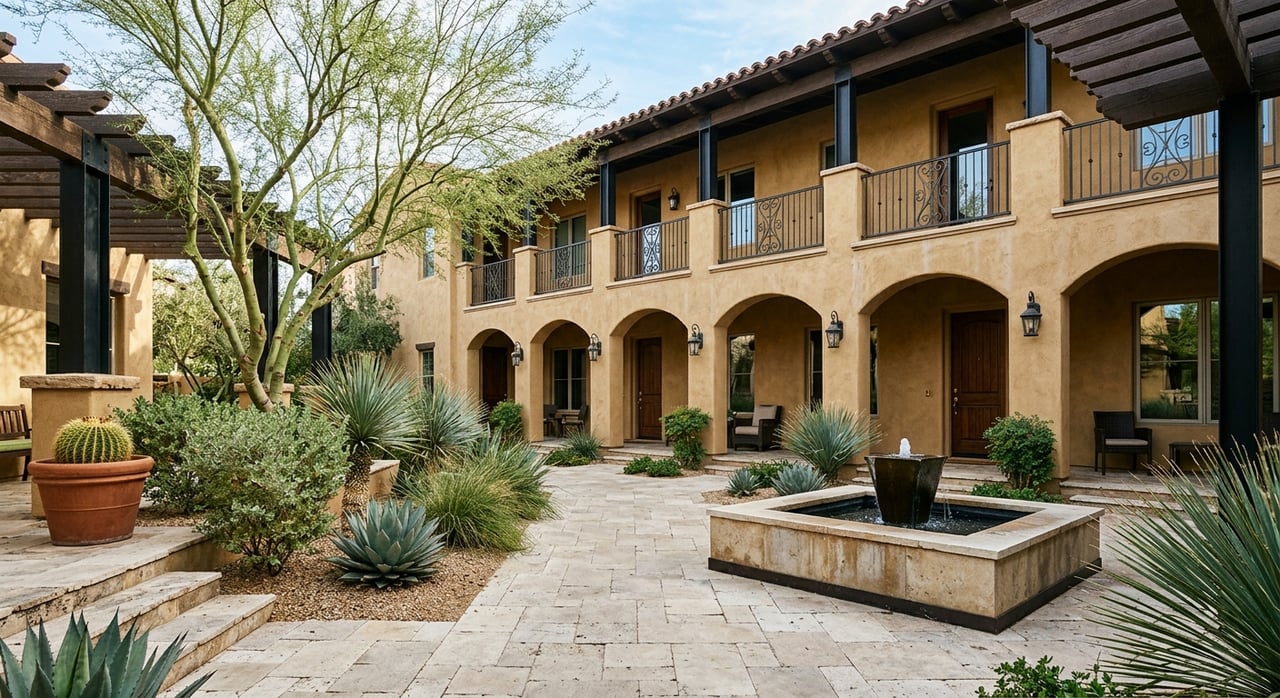
If you’re drawn to the Biltmore area, chances are you’re not just shopping for square footage. You’re looking for a home that fits the way you want to live, whether that means a true lock-and-leave setup, easier upkeep, or quick access to dining, shopping, hiking, and everyday conveniences. In a part of Phoenix known for central location, mountain views, golf, canal paths, and resort-style living, the real question is often less about size and more about lifestyle. Let’s dive in.
Why Biltmore Appeals to Low-Maintenance Buyers
The Biltmore area has a built-in advantage for condo and townhome buyers. It is a centrally located pocket of Phoenix, generally centered between 24th and 32nd Streets and from Lincoln Drive to Camelback Road, with a mix of established prestige, destination retail, restaurants, golf, and nearby outdoor access.
That setting naturally attracts buyers who want convenience without the responsibilities that often come with a larger suburban property. If you value a home base that feels connected, polished, and easier to manage, the Biltmore corridor often stands out for exactly that reason.
Condo vs Townhome in Arizona
In Arizona, the difference between a condo and a townhome is not always obvious from the way a property looks. A townhome-style residence may be legally structured as a condominium, while another may sit inside a planned community with a different ownership and HOA framework.
That distinction matters because Arizona uses separate legal structures for condominiums and planned communities. Under the Condominium Act, unit owners have an undivided interest in the common elements. In a planned community, the HOA typically owns and controls the common areas, and that changes how maintenance, rules, and authority may work.
Why the legal structure matters
Before you decide whether a Biltmore-area condo or townhome is right for you, it helps to look past the marketing label. The declaration, CC&Rs, bylaws, and community rules help define what you own, what the association maintains, and how much flexibility you have.
Those documents can affect repairs, exterior changes, rentals, parking, pets, and everyday use. In other words, two properties with a similar look may offer very different ownership experiences.
When a Condo May Be the Better Fit
A condo is often the strongest match if your goal is the simplest version of low-maintenance living. Many buyers are drawn to condos because they typically combine private ownership of the unit with shared ownership in common areas and amenities.
That setup can support a true lock-and-leave lifestyle. Monthly dues often help cover maintenance for shared spaces, structural features, secure access, amenities, and sometimes select utilities, depending on the community.
Condo benefits to consider
If you are comparing options in Biltmore, a condo may make sense if you want:
- Less exterior maintenance to think about
- Shared amenities such as pools, fitness spaces, or secured entries
- A home that may be easier to leave for travel or seasonal use
- Professional management for common-area upkeep
For second-home buyers, downsizers, and relocating professionals, those features can be especially appealing. In a location already built around convenience, condos often align naturally with the lifestyle many buyers want here.
Condo tradeoffs to keep in mind
The convenience can come with tradeoffs. Condo living may mean less storage, smaller outdoor space, and more shared walls or common areas than you would have in a detached home.
Association rules can also shape daily life more than some buyers expect. Noise policies, renovation guidelines, pet rules, parking limits, and rental restrictions can all vary from one community to another.
When a Townhome May Be the Better Fit
A townhome can be a strong middle ground if you want low-maintenance living but prefer a residence that feels more like a traditional home. In the Biltmore area, townhomes often appeal to buyers who want convenience without fully giving up a more residential feel.
Still, the key is to confirm how the property is legally structured. A townhome-style property may function very differently depending on whether it is a condominium or part of a planned community under Arizona law.
What townhome buyers should review closely
If you are leaning toward a townhome, give extra attention to the ownership and maintenance details. Ask exactly who is responsible for the roof, exterior walls, landscaping, insurance, and common-area repairs.
Do not assume the answer based on architecture alone. The community documents will usually tell the real story far better than the floor plan or exterior style.
HOA Dues, Reserves, and Assessments
For many Biltmore buyers, the monthly fee conversation is one of the most important parts of the decision. Dues may reflect amenities, landscaping, security, management, and reserve funding, not just routine overhead.
Nationally, many households pay condo or HOA fees, and Arizona is among the states with a relatively high share of households paying higher monthly amounts. In practice, that means you should look at dues not as a simple expense line, but as part of the total ownership model.
What to ask about the budget
A higher monthly fee is not automatically a red flag. In some cases, it may support stronger maintenance standards, better amenities, or healthier reserve planning.
What matters is whether the budget appears sustainable and whether the association has a history of special assessments. Reviewing reserve funding, annual financial reports, and any available reserve study can help you understand whether the community is planning ahead or simply reacting as issues arise.
Financing and Resale Considerations
If you plan to finance your purchase, the association can affect more than your monthly lifestyle. Lenders may review the association’s finances and may also look at the percentage of owner-occupied versus rented units in the community.
In some cases, financing options may be more limited if the owner-occupancy ratio is too low. That makes early due diligence especially helpful if you are comparing multiple condo or townhome communities in the Biltmore area.
Arizona resale documents matter
Arizona requires a detailed resale disclosure packet for condominiums and planned communities. That packet can include governing documents, assessments, insurance information, reserves, budgets, annual financial reports, reserve studies if any exist, and summaries of pending litigation.
This is one reason document review should never be treated as a minor step. In many Biltmore transactions, those materials tell you as much about the ownership experience as the property tour itself.
Privacy, Parking, and Storage
One of the biggest mistakes buyers make is assuming all low-maintenance properties offer the same level of privacy and convenience. In reality, parking, guest parking, storage, noise exposure, and outdoor space can vary widely from one community to the next.
That matters in Biltmore, where buyers are often choosing between lifestyle options rather than simply choosing a floor plan. A beautiful interior may not feel like the right fit if parking is tight, storage is limited, or the rules do not match how you plan to use the home.
Look beyond the finishes
When you tour a condo or townhome, pay attention to more than kitchen finishes and ceiling height. Ask how deliveries work, where guests park, whether there is extra storage, and what level of privacy you can realistically expect.
These practical details often shape day-to-day satisfaction more than cosmetic upgrades. In a lock-and-leave purchase, convenience is part of the value.
Rental Flexibility and Second-Home Plans
If you may rent the property later, Arizona law makes another point worth checking early. Rentals are allowed unless the declaration prohibits them, and associations may request only limited tenant information and limited fees.
For second-home buyers and future-minded owners, that can be important. Even if you plan to use the home primarily for yourself, it is wise to understand the rental rules now rather than discover limits after closing.
A Simple Framework for Choosing
If you are deciding between a Biltmore-area condo and townhome, start with your lifestyle priorities. The right fit usually comes down to how much maintenance relief, independence, amenity access, and rule flexibility you want.
A condo may be the better option if you want the most streamlined lock-and-leave experience. A townhome may be the better option if you want similar convenience with a more residential feel, but are willing to review the ownership structure and HOA responsibilities more carefully.
Questions to ask before you buy
Use this checklist as you compare communities:
- What do the monthly dues cover?
- Who maintains the roof, exterior, landscaping, and common areas?
- What insurance does the association carry?
- How strong are the reserves?
- Has the community had special assessments?
- Are rentals allowed, and what restrictions apply?
- How much parking, guest parking, and storage is available?
- Is the property legally a condo or a planned community?
- If the home is in a new subdivision or newly built community, has the Arizona Department of Real Estate Public Report been delivered?
For newly built communities or new subdivisions, that Public Report must be provided before a purchase contract is signed. It can include details on common facilities, services, taxes, assessments, and property owners association information.
The Bottom Line for Biltmore Buyers
In the Biltmore area, the choice is rarely just condo versus townhome in the abstract. It is really about whether a specific community’s ownership structure, amenities, maintenance approach, and rules fit the way you want to live.
Because this Phoenix corridor is so closely tied to convenience and lifestyle, the HOA documents often matter more than the floor plan alone. If you want a polished, low-maintenance home in one of central Phoenix’s most established lifestyle districts, careful review now can help you buy with far more confidence.
If you’re considering a condo or townhome in Biltmore and want tailored guidance on lifestyle fit, community structure, and the details that affect long-term value, connect with Renee Merritt.
FAQs
What is the difference between a condo and a townhome in Phoenix?
- In Phoenix, the biggest difference may be the legal structure rather than the appearance. A condo gives you ownership of your unit plus an undivided interest in common elements, while a townhome-style property may be part of either a condominium or a planned community.
What should you review before buying a Biltmore condo?
- You should review the resale disclosure packet, including CC&Rs, bylaws, assessments, insurance information, reserves, budgets, financial reports, reserve studies if available, and any pending litigation summary.
Are Biltmore townhomes always lower maintenance than single-family homes?
- They can be, but the experience depends on the community design and legal structure. You should confirm exactly what the HOA maintains and what remains your responsibility.
Can you rent out a condo or townhome in Arizona later?
- Arizona law allows rentals unless the declaration prohibits them, so you should check the community documents carefully to understand any lease restrictions.
Why do HOA dues vary so much in Biltmore communities?
- Dues can vary based on amenities, security, landscaping, management, and reserve funding. Higher dues are not always negative if they support stronger maintenance and planning.
What should second-home buyers ask about a Phoenix lock-and-leave property?
- You should ask about secure access, exterior maintenance responsibilities, rental rules, parking, storage, guest access, reserve health, and whether the community’s rules fit how you plan to use the home.