If you want a home that lets you come and go with ease, Downtown Scottsdale should be on your radar. For many buyers, the appeal is simple: less upkeep, more walkability, and quick access to dining, shopping, arts, and travel connections. If you are weighing a second home, relocation move, or investment-minded purchase, this guide will help you understand how lock-and-leave condos work in Downtown Scottsdale and what to look for before you buy. Let’s dive in.
Why Downtown Scottsdale Fits Lock-And-Leave Living
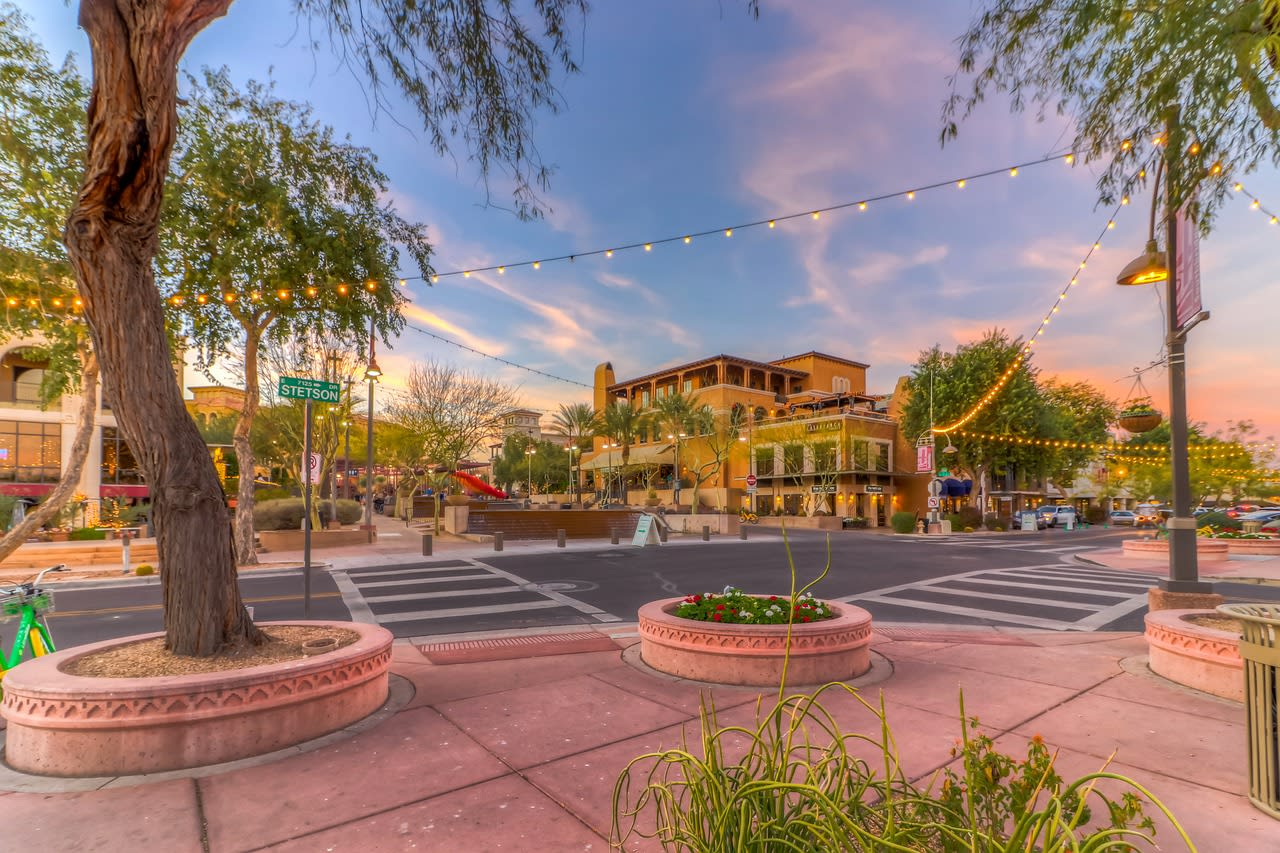
Downtown Scottsdale is often discussed through the city’s Old Town character area, generally bounded by Chaparral Road to the north, Earll Drive to the south, 68th Street to the west, and Miller Road to the east. The city treats Old Town as a distinct downtown district shaped by planning around land use, mobility, arts and culture, and design. That matters because condo living here is tied closely to how each micro-area functions day to day.
For lock-and-leave buyers, convenience is a major draw. The city says Old Town has more than 90 restaurants, 320 retail shops, and more than 80 art galleries. Scottsdale also supports walking, biking, transit, mobility share, and pedicabs, and the free Scottsdale trolley runs every 20 minutes on weekdays with connections to regional bus service.
Another important point is how the area is laid out. Scottsdale planning documents favor interconnected, pedestrian-oriented districts within about a quarter-mile walking distance. In practical terms, that means your experience can change a lot from one block or building to the next, even within the same downtown label.
What Lock-And-Leave Means Here
In Downtown Scottsdale, lock-and-leave living usually means you can own a home with less day-to-day maintenance than a detached property. Instead of caring for a yard or managing a larger exterior, you are often relying on the condo building and homeowners association to handle shared spaces and building operations. That can be especially appealing if you travel often or split your time between homes.
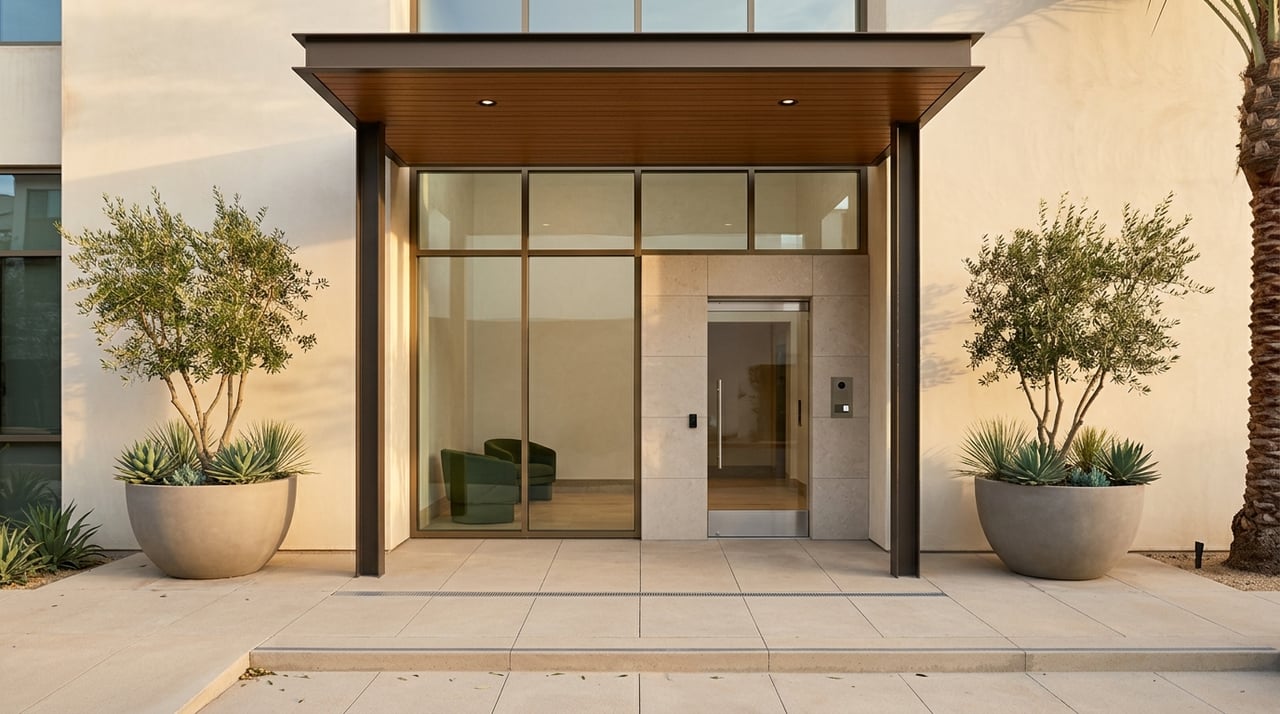
It also means your lifestyle depends heavily on the building itself. Some downtown condos are simpler, older properties with fewer amenities. Others offer a more full-service experience with secure parking, elevators, fitness space, pools, and concierge-style features.
Downtown Scottsdale Micro-Areas To Know
Historic Old Town
Historic Old Town is part of the Downtown Core and has one of the city’s highest concentrations of individually designated historic buildings. You can expect a more compact and lower-scale setting here than in some of the larger mixed-use corridors farther east and north. If you want a more classic Old Town setting, this area may feel especially appealing.
Civic Center
The Civic Center district includes lawns, public art, and major civic and cultural destinations such as City Hall, Civic Center Library, Scottsdale Center for the Performing Arts, Scottsdale Stadium, and the Scottsdale Museum of Contemporary Art. This area can be attractive if you want park access and civic amenities nearby. At the same time, it is smart to consider how large events and activity levels may affect your day-to-day experience.
Fashion Square And Scottsdale Road
The Fashion Square district is one of the most urban and convenience-driven parts of downtown. Scottsdale Fashion Square includes more than 250 stores, a movie theater, and restaurants, and the surrounding area includes large offices and multifamily residences. If your version of lock-and-leave living centers on easy access and a more active urban feel, this corridor is often a strong fit.
Arts District, Fifth Avenue, And Canal Area
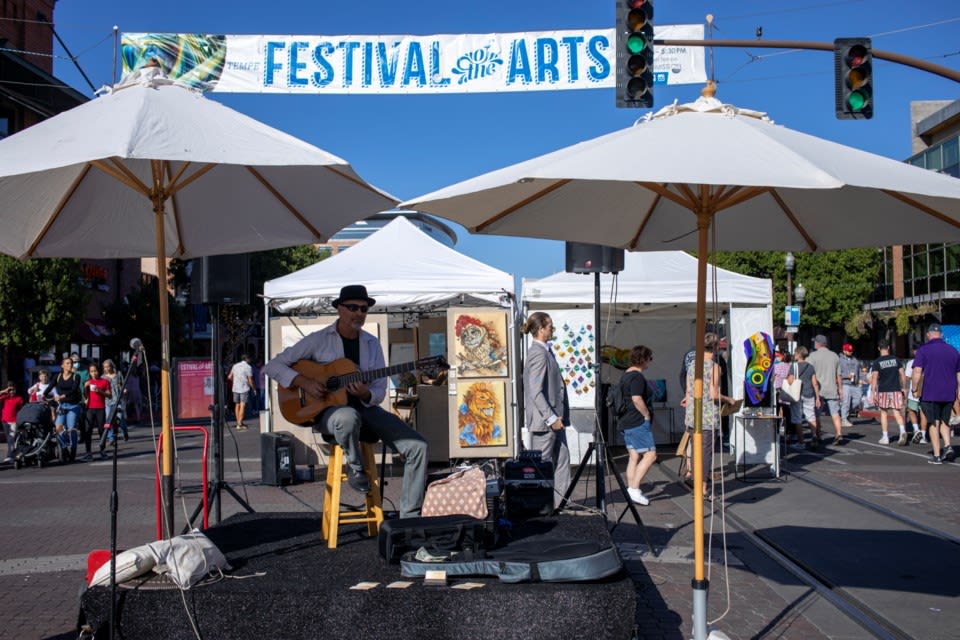
The Arts District includes galleries, restaurants, retail, Scottsdale Museum of the West, Scottsdale Artist’s School, and the Thursday Night ArtWalk. The Fifth Avenue district adds distinctive retail, restaurants, and public art. Along the Arizona Canal, pedestrian- and bicycle-friendly pathways and bridge connections create another layer of mobility and lifestyle appeal.
Entertainment District And Brown & Stetson
These mixed-use districts combine residences with hotels, restaurants, bars, and service uses. They tend to be the most nightlife-oriented parts of Downtown Scottsdale. If you want immediate access to evening activity, these areas may be attractive, but building selection becomes especially important.
Garden District And Medical District
The Garden District includes mid-century apartments and condos along with newer multifamily housing. The Medical District is more daytime-oriented, shaped by medical offices and the HonorHealth Osborn Medical Campus. If you prefer a quieter or more utilitarian setting over a nightlife focus, these districts may be worth a closer look.
Why Building Choice Matters More Than A Zip Code
One of the biggest mistakes buyers make is assuming all downtown condos offer the same lifestyle. In Scottsdale, that is simply not the case. The city’s updated Old Town urban design guidelines reflect a downtown with varied building forms, materials, and development styles.
That means your experience may depend more on the specific building than the broader district name. A lower-scale condo in the Garden District can feel very different from a larger, mixed-use residence near Fashion Square. If you are searching for true lock-and-leave ease, building design, access, security, parking, and HOA structure all matter as much as location.
What Amenities You May Find
Amenity levels vary widely across Downtown Scottsdale condos. In smaller or older buildings, you may find a more straightforward ownership experience with fewer shared features. In larger and more amenity-rich communities, you may see offerings like:
- Secure underground parking
- Elevator access
- Fitness centers
- Indoor or outdoor pools
- Spa or sauna facilities
- Shared gathering spaces
- Concierge-style services
- On-site retail or café spaces
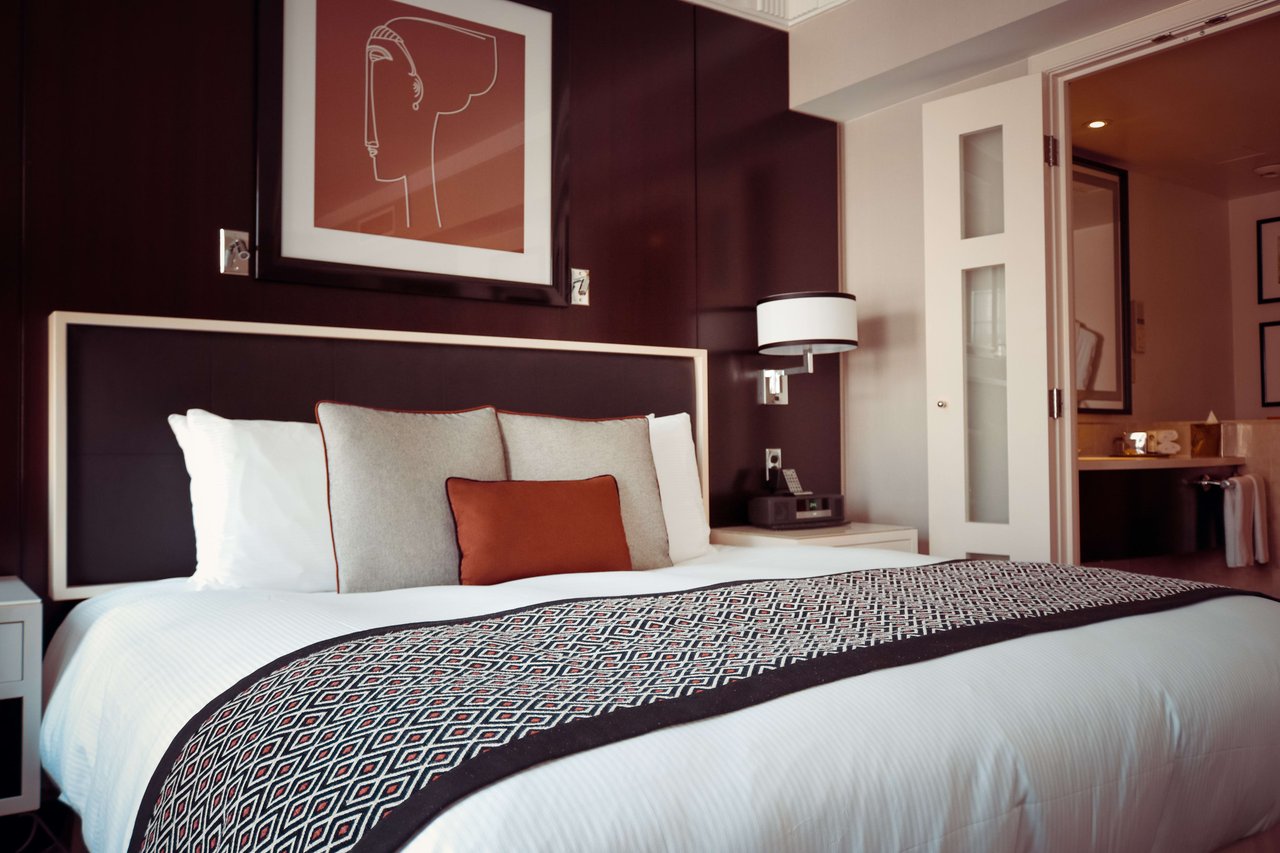
A well-known luxury example is Optima Camelview Village at Scottsdale Road and Highland Avenue. Official project materials describe an 11-building, bridge-linked community with indoor and outdoor pools, a large fitness center, courts, spa and sauna facilities, on-site concierge, a business center, a party room, boutiques, cafés, and secure underground parking with elevator access to residences.
The takeaway is simple. If amenities are central to your decision, compare buildings carefully rather than assuming downtown location alone tells the full story.
HOA And Condo Documents To Review
If you are buying a lock-and-leave condo, the paperwork is not just a formality. In many cases, the condo declaration, bylaws, budget, and financial records will tell you more about your future ownership experience than the listing description will.
Arizona’s condo resale rules require delivery of key records, including:
- Bylaws
- Declaration
- Assessment information
- Current operating budget
- Most recent annual financial report
- Most recent reserve study, if any
- Summary of pending lawsuits
These documents help you understand how the association operates, how financially stable it appears, and whether there are issues that could affect dues, maintenance, or resale value. Arizona law also requires certain association records to be made reasonably available for member inspection within 10 business days, and board meetings are generally open and subject to notice rules.
How To Evaluate HOA Financial Health
For lock-and-leave buyers, stable operations matter. Arizona law says condo assessments must be based on at least an annual budget, and the board must provide a budget summary within 30 days after adopting a proposed budget. The association must also complete an annual audit, review, or compilation within 180 days after the fiscal year ends and make it available on request.
When you review these records, pay attention to whether the association appears proactive and organized. While no document can predict the future, budgets, financial reports, and reserve information can offer useful clues about whether dues are likely to remain steady or face pressure over time.
Rental Rules Buyers Need To Verify
If you may rent the condo at any point, do not rely on assumptions. Arizona law allows an owner to use a condo unit as a rental property unless the declaration prohibits it, and the unit must still comply with any declaration-based lease restrictions. That means each building’s governing documents are critical.
A downtown address does not automatically mean rental flexibility. A condo association may set minimum lease terms, limit rentals, or apply other restrictions through its declaration and related documents. For investor-minded buyers, this is one of the most important parts of due diligence.
When a condo is rented, Arizona law says the association may require only limited tenant information and may charge up to $25 for required rental disclosures for each new tenancy. The law also says a rental unit generally may not be treated differently than an owner-occupied unit except as specifically allowed.
Short-Term Rental Rules In Scottsdale
Short-term rentals are a separate issue from standard leasing. Scottsdale says rentals under 30 days are allowed by right in residential districts, but they require a city license, a Transaction Privilege Sales Tax license, Maricopa County registration, neighbor notification, and at least $500,000 in liability coverage. The city also states that the HOA may regulate or restrict these uses.
Scottsdale’s rules also set a maximum family size of 6 adults plus their related dependent children for these rentals. If short-term rental use matters to you, confirm both city requirements and the HOA’s rules before moving forward.
Interior Changes And Ownership Limits
Lock-and-leave ownership can still come with boundaries on what you may change. Under Arizona law, unit owners generally may improve the interior of their unit. However, they may not change the appearance of common elements or the exterior of the unit without written association permission.
This is especially important if you are a design-conscious buyer planning updates. Interior improvements may be possible, but exterior-facing changes and alterations affecting shared elements usually require approval.
Who These Condos Often Suit Best
Downtown Scottsdale condos often appeal to buyers who prioritize convenience, shared amenities, and a central location over private yard space. That can include relocating professionals, second-home buyers, and investment-minded purchasers. The right fit often depends on how you want to live when you are in residence and how often you expect to be away.
In general, buyers seeking a quieter residential feel may want to focus more on the Garden District or Medical District. Buyers drawn to nightlife, immediate retail access, and a more active downtown setting often look more closely at the Entertainment District, Brown & Stetson, the Arts District, Fifth Avenue, or the Fashion Square corridor.
A Smart Buying Checklist
Before you buy a lock-and-leave condo in Downtown Scottsdale, make sure you review these essentials:
- The exact building location and surrounding block activity
- HOA dues and what they cover
- Building amenities and access features
- Parking type and security
- Declaration and bylaws
- Lease rules and minimum rental terms
- Short-term rental restrictions
- Current budget and recent financial report
- Reserve study, if available
- Any pending litigation
- Approval requirements for interior improvements
A beautiful condo can still be the wrong fit if the building rules do not match your goals. In this market, documents and lifestyle fit usually matter just as much as finishes.
If you are considering a Downtown Scottsdale condo, a thoughtful building-by-building approach can save time and help you buy with more confidence. Renee Merritt offers personalized guidance for buyers seeking luxury, second-home, relocation, and lifestyle-driven opportunities across Scottsdale and the Greater Phoenix area.
FAQs
What is a lock-and-leave condo in Downtown Scottsdale?
- A lock-and-leave condo in Downtown Scottsdale is typically a lower-maintenance home designed to make it easier for you to leave for travel or seasonal living while the building and HOA manage shared spaces and certain exterior responsibilities.
Which Downtown Scottsdale areas feel quieter for condo buyers?
- Based on city district descriptions, the Garden District and Medical District often offer a quieter or more daytime-oriented feel than nightlife-focused areas such as the Entertainment District or Brown & Stetson.
Are all Downtown Scottsdale condos good for rentals?
- No. Arizona law allows condo rentals unless the declaration prohibits them, but each building may still impose lease restrictions, rental caps, or minimum rental terms through its governing documents.
Can you use a Downtown Scottsdale condo as a short-term rental?
- Possibly, but Scottsdale requires rentals under 30 days to meet city licensing, tax, registration, notification, and insurance rules, and the HOA may also regulate or restrict short-term rental use.
What condo documents should buyers review in Arizona?
- Buyers should review the declaration, bylaws, assessment information, current operating budget, most recent annual financial report, reserve study if available, and any summary of pending lawsuits.
Why does the building matter so much in Downtown Scottsdale?
- Building choice matters because Downtown Scottsdale includes a wide range of condo types, from simpler mid-century properties to larger amenity-rich communities, so your lifestyle, rental options, and ownership experience can vary significantly from one building to another.