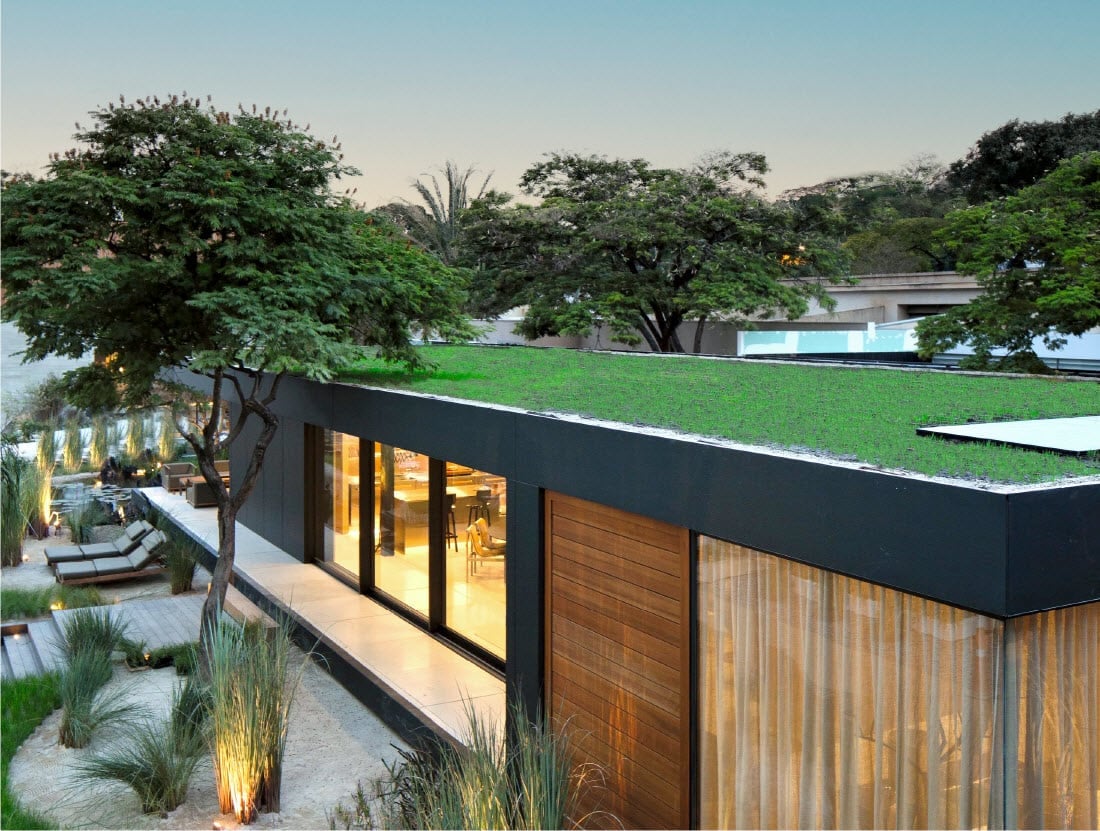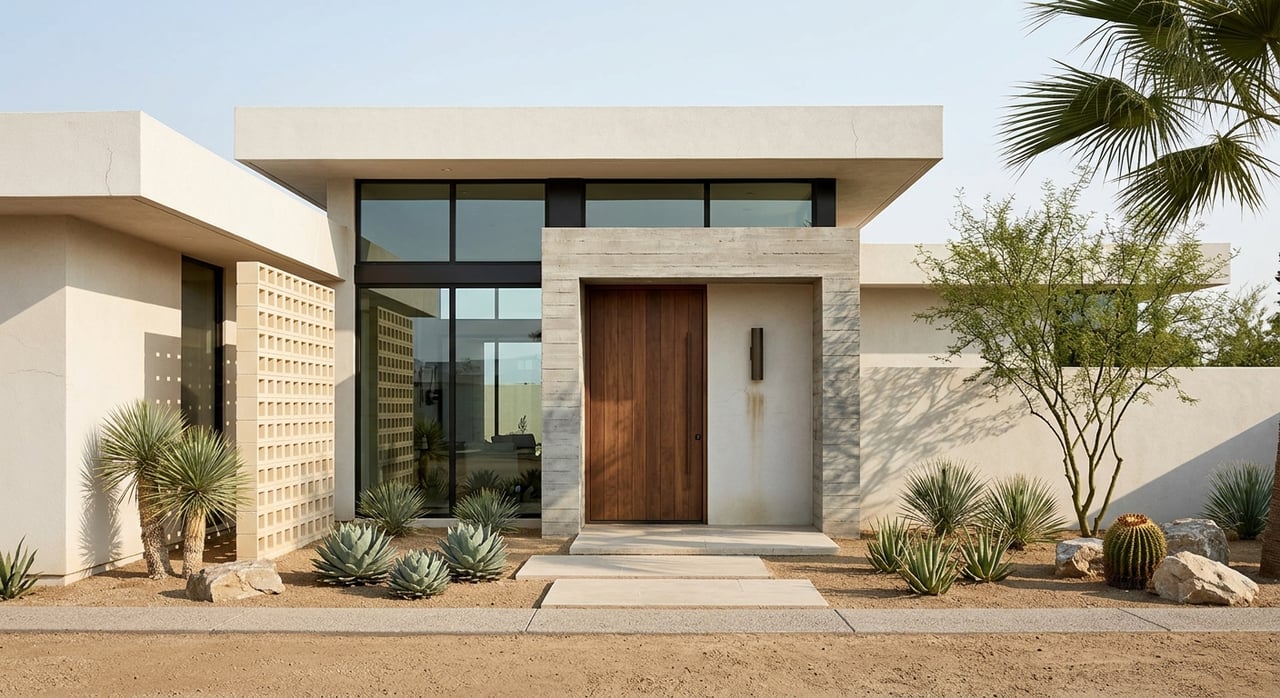
If you have ever driven through Phoenix’s Biltmore corridor and felt like the architecture shifts block by block, you are not imagining it. This part of the city is not defined by one single look. Instead, it tells a layered story of resort glamour, revival-era elegance, mid-century design, and newer luxury development. If you are drawn to homes with character, this guide will help you read the architectural language of the Biltmore area more clearly. Let’s dive in.
Why the Biltmore corridor stands out
The Biltmore corridor is best understood as a timeline of Phoenix growth. Historic landmarks, established residential pockets, and newer luxury projects all sit within the same broader area. That mix gives the corridor a look and feel that is more varied than many buyers expect.
For design-conscious buyers, that variety matters. You may see one property shaped by resort-era influence and another that reflects mid-century ideas or current condo design. Knowing the difference can help you better understand what gives a home its identity and how it fits into the broader Biltmore setting.
Wright-influenced resort architecture
The Arizona Biltmore is the architectural anchor of the corridor. It opened in 1929 and was designed by Albert Chase McArthur with strong Frank Lloyd Wright influence. Its design introduced the Biltmore Block, also described as a textile-block language, which remains one of the area’s most recognizable visual signatures.
This style is not just about age or prestige. It is defined by geometric massing, a strong horizontal presence, and a desert-resort setting that feels both monumental and integrated with the landscape. The Arizona Biltmore Resort is also listed on the Phoenix Historic Property Register, which reinforces its role as a lasting point of reference in the corridor.
What to look for in this style
If you are trying to spot Wright-influenced resort architecture, focus on a few key traits:
- Geometric forms and repeated block patterns
- Broad horizontal lines rather than vertical emphasis
- Monumental scale with a grounded presence
- Strong relationship between structure and desert landscaping
- A resort-like sense of arrival and openness
In the Biltmore corridor, this look is especially important because it created the visual identity many people still associate with the area today.
Spanish Colonial Revival and California Monterey
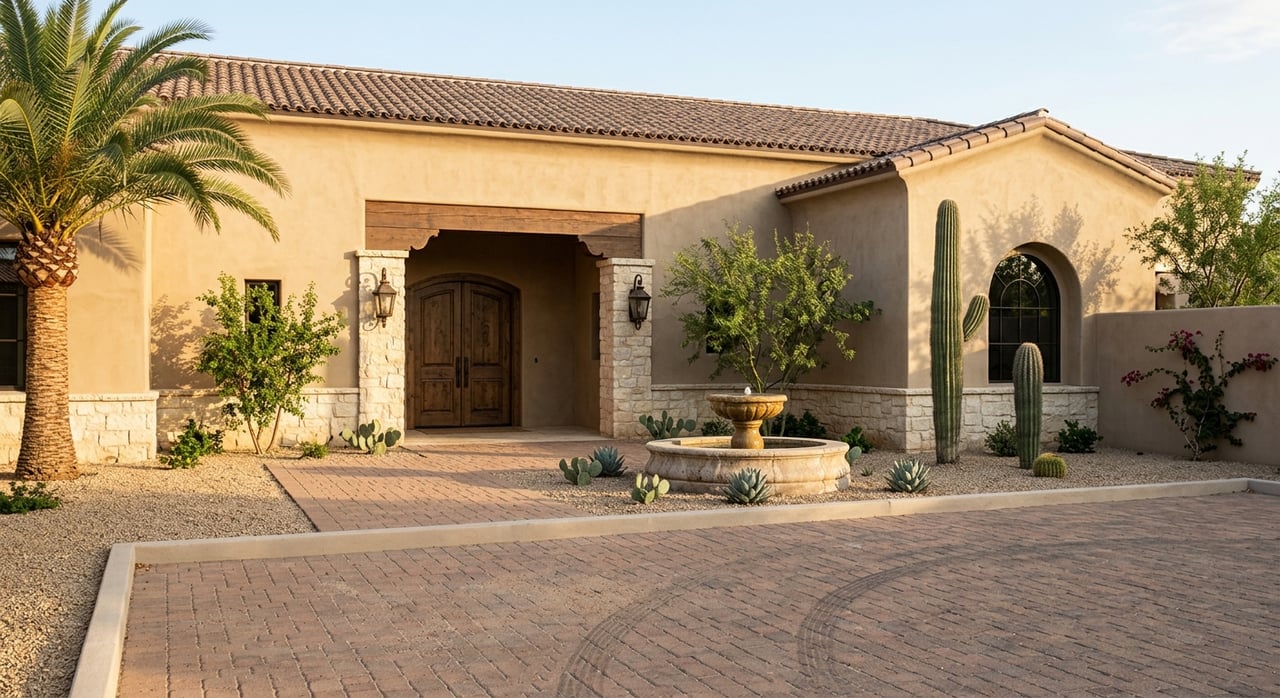
Just east of the Arizona Biltmore, the Wrigley Mansion introduces another major style vocabulary. According to City of Phoenix planning materials, it is a premier example of Spanish Colonial Revival blended with California Monterey. That combination adds another layer to the corridor’s architectural identity.
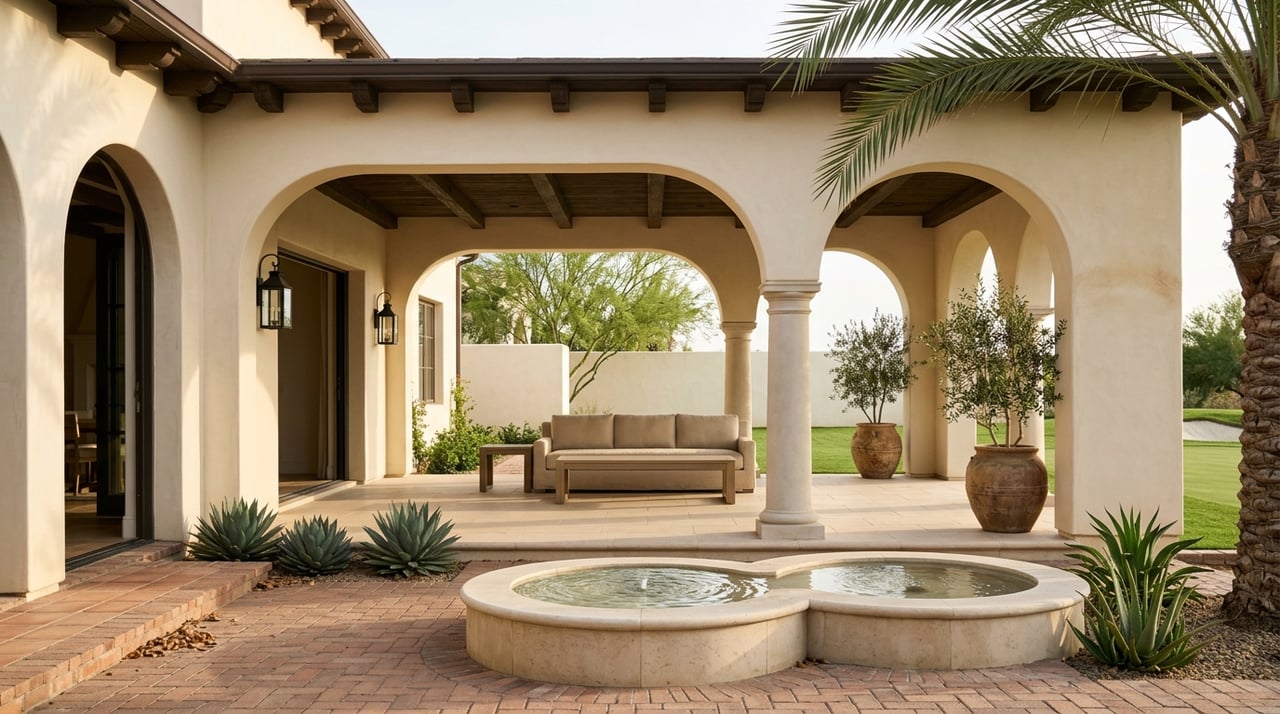
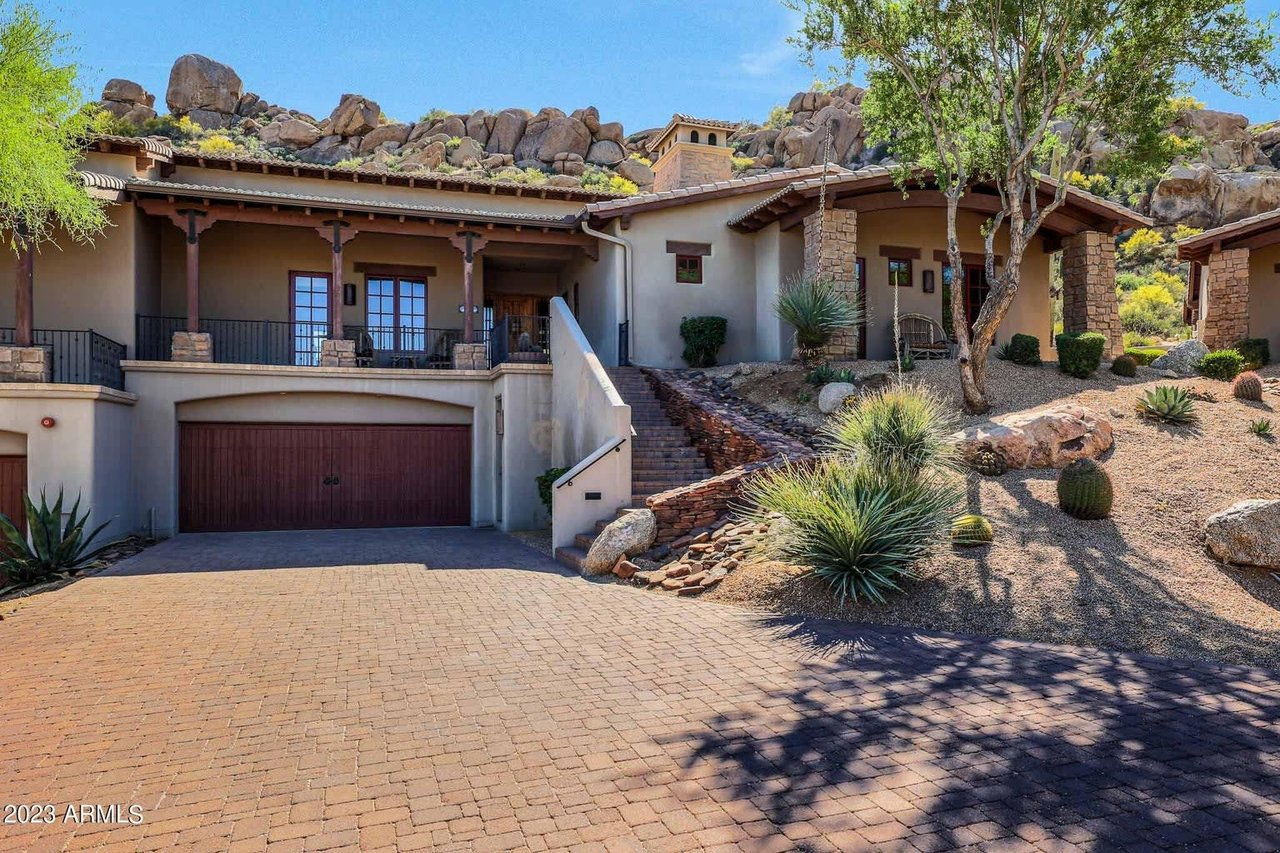
This style tends to feel more romantic and classically residential than the block-based Biltmore language. Phoenix materials note features such as stuccoed walls, tile roofs, and Spanish Colonial Revival detailing. The Wrigley Mansion’s hilltop setting also shows how revival architecture in this area can feel elegant and resort-adjacent without looking exactly like the Arizona Biltmore.
How this style shapes the corridor
Spanish Colonial Revival and California Monterey architecture help explain why the Biltmore area does not read as purely modern or purely historic. Instead, it balances formal detailing with the desert setting. For buyers, that means you may find homes that feel timeless and expressive, even when they come from a very different design tradition than the Arizona Biltmore itself.
Mid-century modern nearby
Mid-century modern is not the original style that launched the Biltmore corridor, but it is a major influence in the surrounding Camelback and north-central Phoenix area. Nearby residential pockets help carry the story forward into a later chapter of Valley design. That is part of what makes the broader Biltmore orbit so appealing for architecture-minded buyers.
Visit Phoenix describes common mid-century features as floor-to-ceiling windows, dramatic roof lines, angular edges, one-level open floor plans, carports, and modularity. In nearby Marion Estates, north of Camelback Road, the neighborhood includes homes associated with Ralph Haver, Al Beadle, and Blane Drake. That makes it a useful example of how mid-century character shows up close to the corridor.
Common mid-century features
When you tour homes in the broader Biltmore area, mid-century influence may show up in features like these:
- Expansive glass and indoor-outdoor visual flow
- Angular roof lines and crisp edges
- Open one-level layouts
- Carports instead of enclosed front-facing garages
- Simpler forms with a strong emphasis on function
For some buyers, these homes offer a very different kind of luxury. The appeal often comes from light, proportion, and architectural clarity rather than ornament.
Contemporary luxury infill
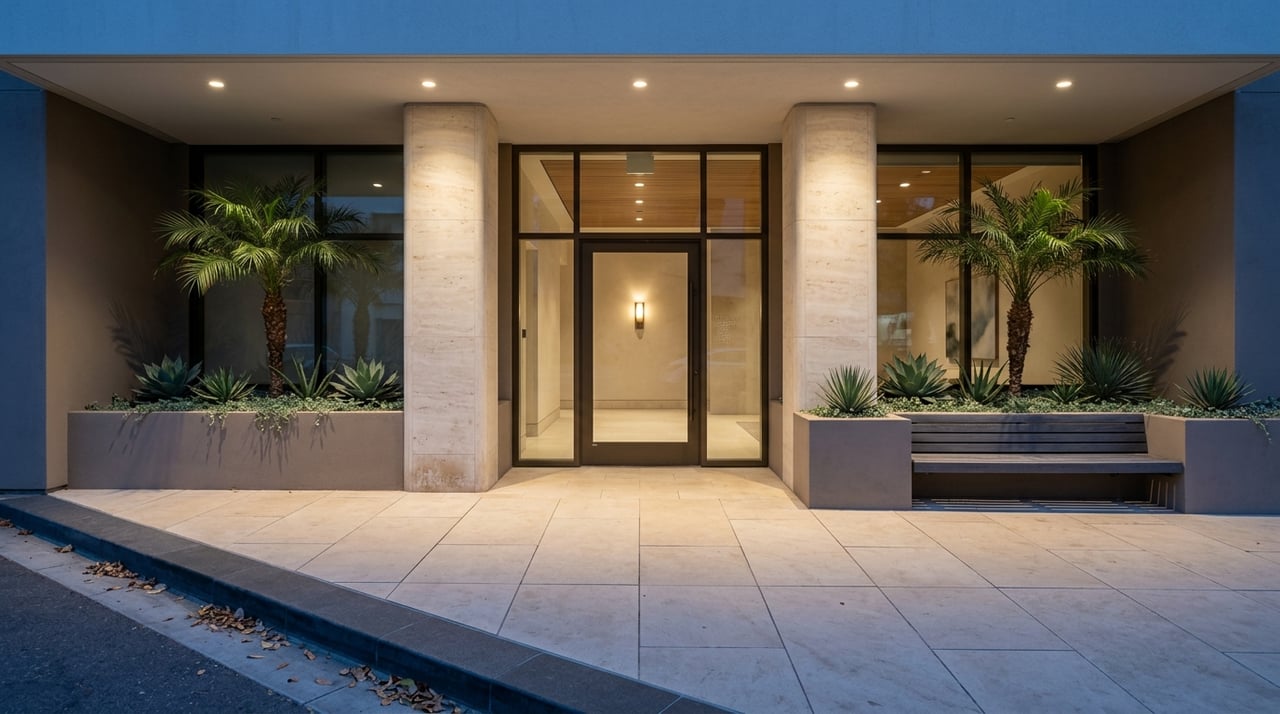
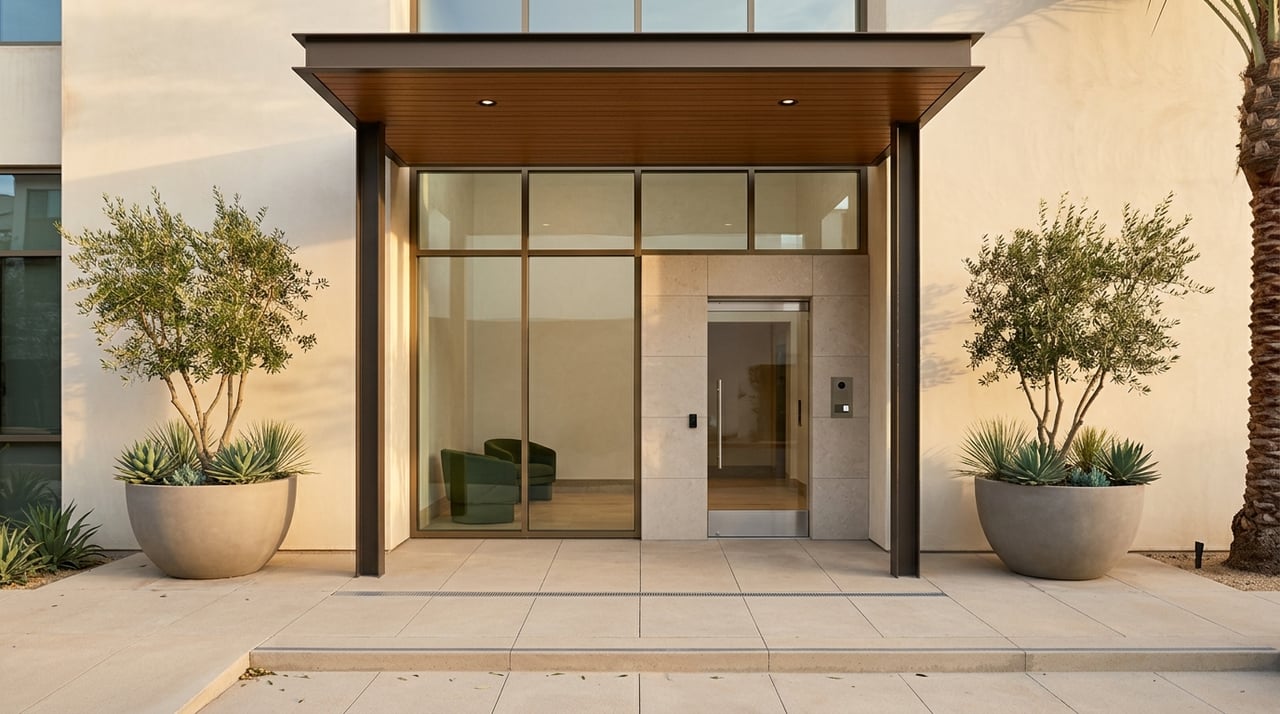
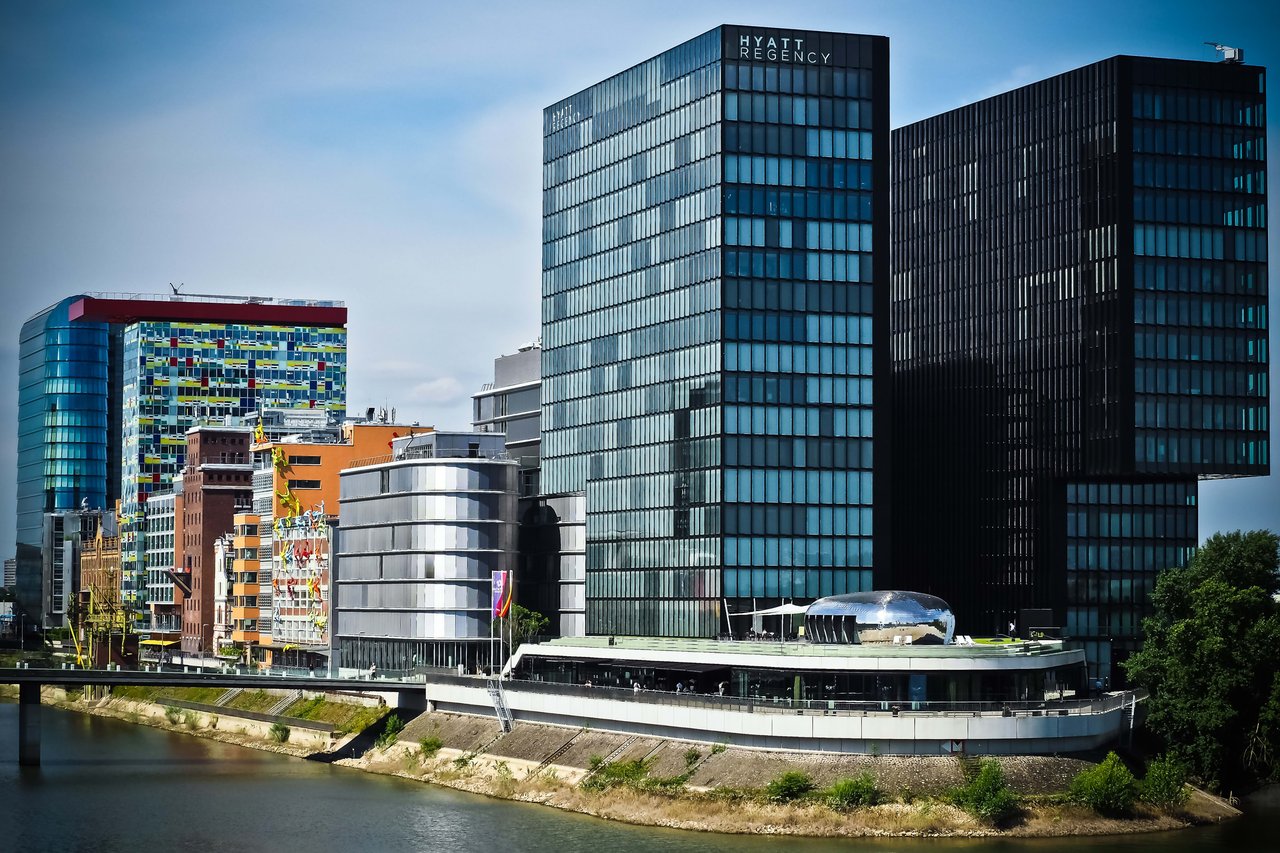
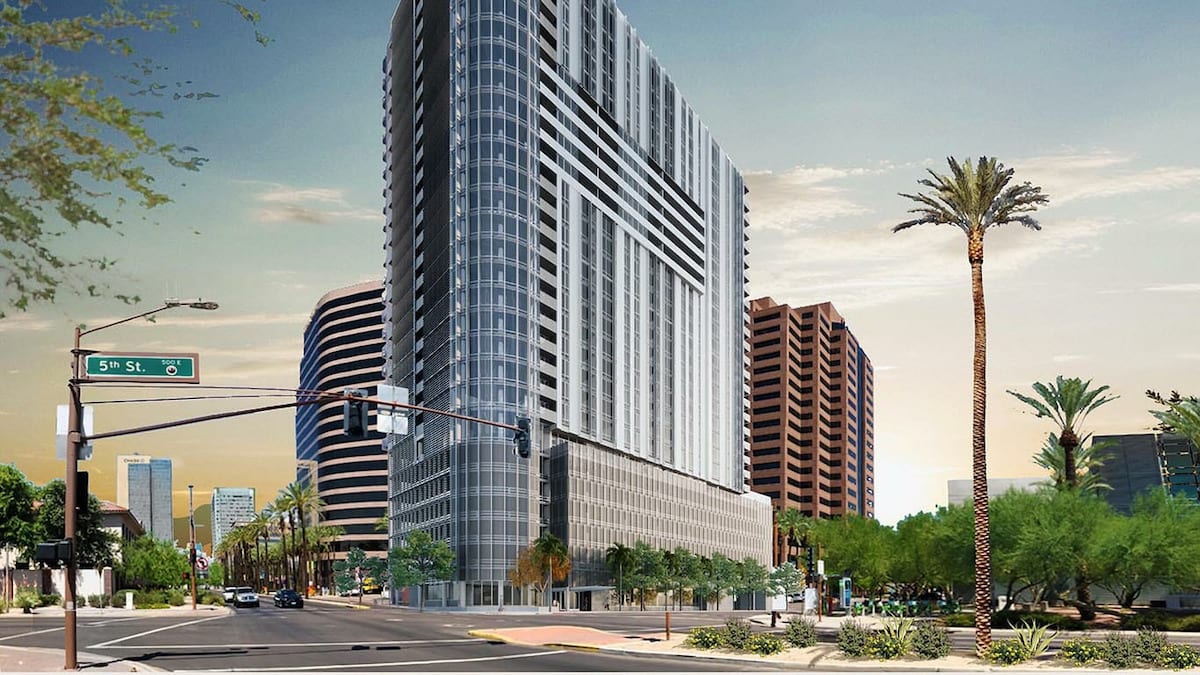
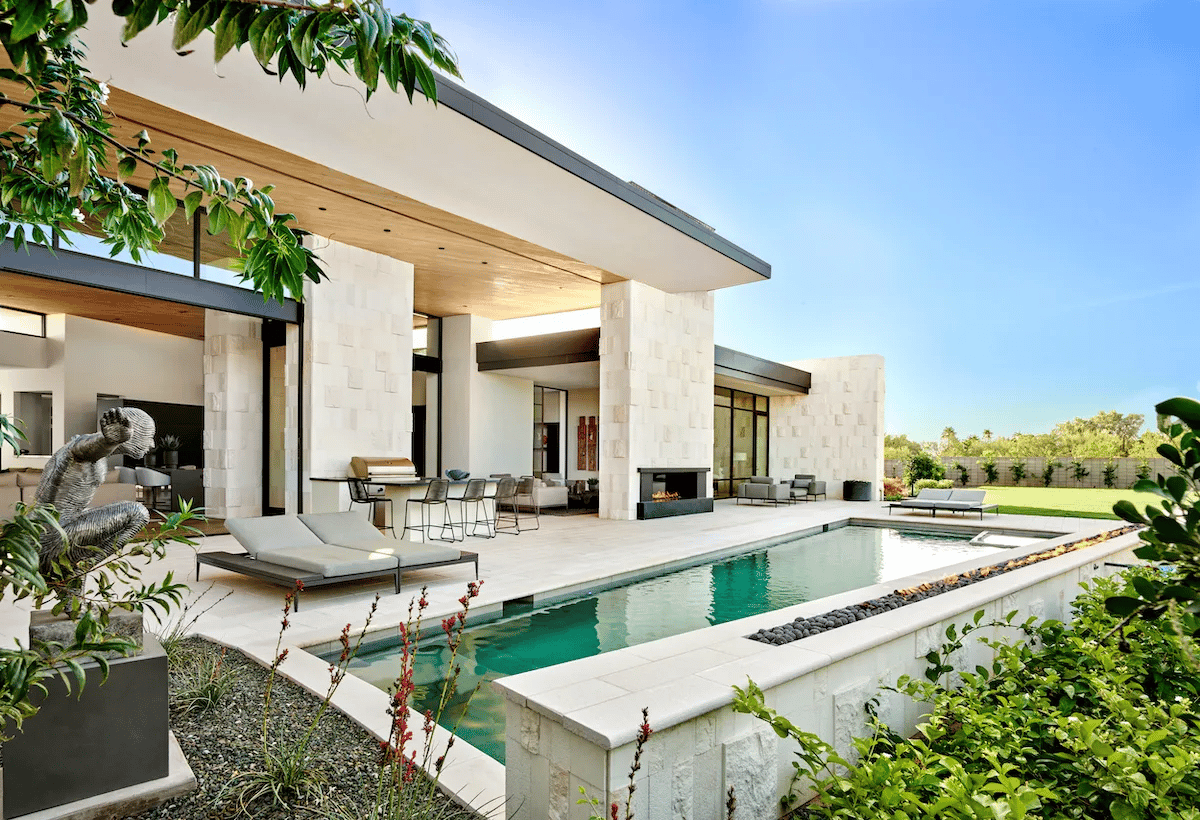
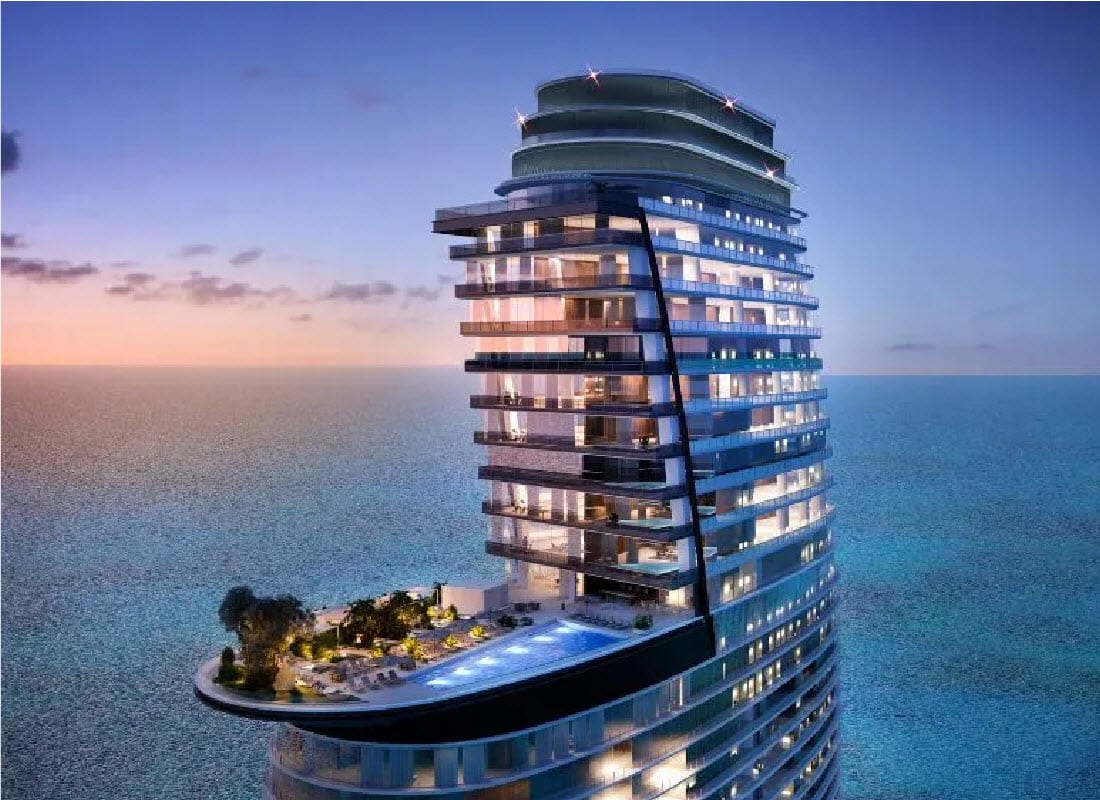
The Biltmore corridor is not frozen in time. Phoenix planning documents show that the area continues to evolve through newer residential development, especially around Camelback Road and Arizona Biltmore Circle. This newer layer is often described as contemporary modern or modern luxury rather than as a revival of older styles.
One Phoenix PUD narrative describes a five-story luxury residential community with contemporary modern design, wrapped parking, brick and stone veneers, and strong pedestrian orientation. Another current proposal at 2400 E Arizona Biltmore Circle calls for a new eight-story condominium building with 203 units. Together, these projects show how the corridor continues to add density and updated residential options while remaining tied to its established identity.
Why newer projects still feel connected
Even when a building is brand new, it can still feel part of the Biltmore area’s design story. In many cases, the connection comes from scale, materials, landscaping, and the way projects respond to the surrounding built environment. For buyers considering a lock-and-leave condo or luxury multifamily option, that design continuity can be an important part of the appeal.
How to read a Biltmore home’s style
One of the most helpful things you can do as a buyer is separate historic designation, architectural style, and new construction influence. These are related, but they are not the same. A home can have historic character without being individually designated, and a newer property can borrow from classic Biltmore cues without being historic at all.
Phoenix’s Historic Preservation Office notes that designated properties can be listed on the Phoenix Historic Property Register, and exterior changes to protected properties are reviewed. That matters if you are considering a property with recognized preservation context. It can shape what ownership looks like over time, especially if maintaining architectural integrity is part of the home’s appeal for you.
Questions worth asking
If you are evaluating a home in the corridor, keep these questions in mind:
- Is the property historically designated or simply older?
- Is the style original to the home, or is it a later reinterpretation?
- Does the architecture reflect Wright influence, revival detailing, mid-century ideas, or newer contemporary design?
- How does the home relate to the surrounding streetscape and landmarks?
These questions can help you move beyond surface-level impressions and better understand the value of what you are seeing.
Why architecture matters for buyers
In the Biltmore corridor, architecture is not just visual. It shapes the way a home lives, how it presents, and how it fits into the larger neighborhood context. For some buyers, that means prioritizing a residence with a clear design pedigree. For others, it means finding a newer home or condo that offers modern convenience while still feeling rooted in the area.
That is why the Biltmore corridor continues to attract buyers who care about more than square footage alone. The area offers a layered architectural environment where resort history, classic revival forms, mid-century influence, and modern luxury all intersect. Few places in Phoenix tell that story as clearly.
If you are exploring the Biltmore area and want help identifying the styles, opportunities, and tradeoffs that matter most to you, Renee Merritt offers thoughtful, highly personalized guidance shaped by deep local knowledge and a strong appreciation for design.
FAQs
What architectural style is most associated with Phoenix’s Biltmore corridor?
- The style most closely associated with the Biltmore corridor is Wright-influenced resort architecture, led by the 1929 Arizona Biltmore and its signature Biltmore Block design.
What style is the Wrigley Mansion in the Biltmore area?
- City of Phoenix materials describe the Wrigley Mansion as a premier example of Spanish Colonial Revival blended with California Monterey.
Where can you find mid-century homes near the Biltmore corridor?
- Nearby pockets such as Marion Estates, north of Camelback Road, are noted for mid-century influence and homes associated with architects including Ralph Haver, Al Beadle, and Blane Drake.
Are all homes in the Biltmore corridor historic?
- No. The corridor includes designated landmarks, older homes, and newer infill and condominium developments, so not every property has historic status.
How can you tell if a Biltmore property is historically designated?
- Phoenix’s Historic Preservation Office notes that designated properties can be listed on the Phoenix Historic Property Register, and protected properties may be subject to review for exterior changes.